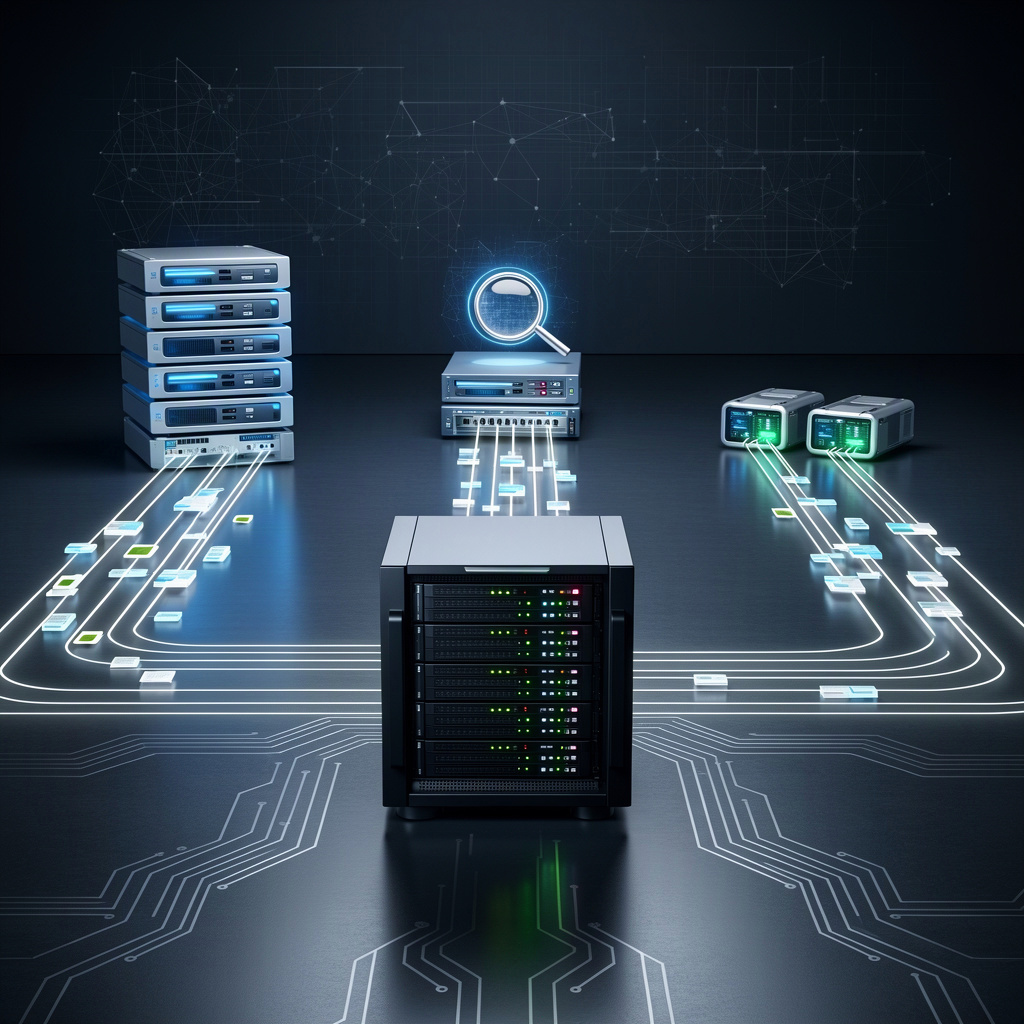
When applications need to send data changes to a data warehouse, search engine, cache, or other services, copying entire tables periodically is often inefficient. This process can strain the database, slow down reporting, and deliver stale data to downstream systems. Change Data Capture (CDC) offers a more targeted approach: detecting changes at the source and forwarding them to other systems.
CDC is more than just a replication feature. When designed properly, it becomes the foundation for more responsive data integration without requiring every application to call each other directly. However, the benefits depend on how changes are captured, how event ordering is handled, and what recovery strategies are in place when pipelines stall.
What Is Change Data Capture?
Change Data Capture is a technique for capturing operations that modify data, such as insert, update, and delete, and propagating them to consumers. For example, when a customer updates their address, a CDC pipeline can send that change to the data warehouse and search index without re-exporting the entire customer table.
CDC streams typically carry row identifiers, operation types, before or after values (depending on configuration), and position or timestamp information from the source. Consumers use this information to update their own data representations. CDC does not automatically guarantee immediate consistency across all systems; processing delays can still occur.
Three Common Approaches
1. Polling Based on Change Columns
Applications run periodic queries to find rows where columns like updated_at are newer than the previous check time. This method is relatively easy to implement on databases that don’t provide transaction log access. However, polling intervals add latency, and repeated queries can burden large tables. Deletions are also difficult to detect if removed rows leave no tombstone or marker behind.
2. Reading the Transaction Log
Log-based methods read the change records that databases create to maintain transaction consistency. Because the source of changes comes from the log, systems can capture operations without continuously scanning entire tables. This approach is often chosen for high volumes or low-latency requirements, but it requires proper configuration, log position management, and monitoring of log retention so that lagging consumers don’t lose their recovery point.
3. Database Triggers
Triggers can write change summaries to a dedicated table whenever data is modified. This approach provides clear control but adds work to the main transaction and can increase schema complexity. If triggers become too heavy or are not managed consistently, application performance and database migration processes may suffer.
Example CDC Flow in a Real System
Imagine an online store that keeps orders in a relational database. The same data is needed by analytics dashboards, fraud detection services, and product search engines. With CDC, the flow can be designed as follows:
- The database records order changes to a reference source.
- A CDC connector reads the changes and packages them as events.
- A message broker or streaming platform delivers events to subscribing consumers.
- Each consumer applies changes as needed: updating analytics tables, refreshing indexes, or triggering risk checks.
- Pipeline metrics and logs show lag, failures, and the last successfully processed position.
These components can vary. Smaller systems may not need a separate broker, while architectures with many consumers typically require more structured distribution and retention mechanisms.
Essentials for Keeping Pipelines Reliable
Design Idempotent Consumers
In distributed systems, events may be redelivered after disruptions. Consumers should be able to process the same event more than once without duplicating effects. Use stable keys such as row ID plus change version, or upsert operations designed to be safe when retried. Do not assume every message arrives exactly once.
Pay Attention to Ordering and Deletions
Changes for the same entity should be applied in the correct order. If multiple partitions are used, define partition keys that preserve per-entity ordering when required. For deletions, ensure delete events are forwarded and consumers clean up their data copies; otherwise, stale data can persist in indexes or reports.
Prepare for Schema Changes
Adding columns, changing types, or renaming fields can break consumers that assume fixed structures. Document compatibility rules, test migrations, and define how old events are handled when new schemas take effect. Avoid sending sensitive data that isn’t required to every consumer.
Monitor Lag, Not Just Process Status
A running connector is not necessarily healthy. Measure the delay from source changes to when they appear at the destination, throughput in and out, failure counts, and the age of the last log position. Alert when lag exceeds operational thresholds. Also test recovery procedures from checkpoints and perform periodic reconciliation to detect discrepancies between source and destination.
When Is CDC Worth Using?
CDC fits well when multiple systems need continuous data updates, change volumes are substantial, or full exports are too expensive. Examples include replicating transactional data to warehouses, synchronizing search indexes, and integrating services that need near real-time data copies.
CDC may be overkill if data changes infrequently, daily synchronization is sufficient, or the team lacks the capability to operate pipelines and monitor failures. In such cases, scheduled exports or simple APIs may be easier to maintain. Compare latency requirements, operational costs, data loss tolerance, and recovery capabilities before choosing.
Conclusion
Change Data Capture helps move data changes more efficiently than repeatedly copying entire tables. Polling is easy to start, transaction log reading suits more intensive change streams, and triggers offer control but can add transaction overhead. Whatever the choice, CDC pipelines still require idempotent consumers, proper handling of deletes and schema changes, lag monitoring, and tested recovery procedures. Start with one high-value data flow, measure the results, and expand once operations prove stable.
Komentar (0)
Belum ada komentar. Jadilah yang pertama berkomentar.